





🏆 Grammy Awards 2026 — The 68th Grammy Awards wrapped up on February 1, 2026, at the Crypto.com Arena in Los Angeles — and while the night delivered its share of historic wins and jaw-dropping performances, it was the shutouts and controversies that dominated the post-show conversation. From a six-time nominee walking away empty-handed to questions about whether the Grammys truly represent global music, the 2026 ceremony cracked open familiar debates about who the Recording Academy rewards — and who it consistently leaves behind.
The Snubs
The Artists Who Went Home Empty-Handed
Sabrina Carpenter
The most talked-about shutout of the night. Carpenter arrived as one of the evening’s biggest names, nominated across six categories — including Record of the Year, Song of the Year, and Album of the Year — for her follow-up album Man’s Best Friend and its lead single “Manchild.” She had won two Grammys the previous year and was widely expected to add to her collection. Instead, she went home without a single trophy. Her theatrical “Pan Am”-style performance of “Manchild” became one of the ceremony’s most viral moments, but awards-wise, the night belonged to someone else entirely. Fans and critics quickly labeled it the defining snub of 2026.
Justin Bieber
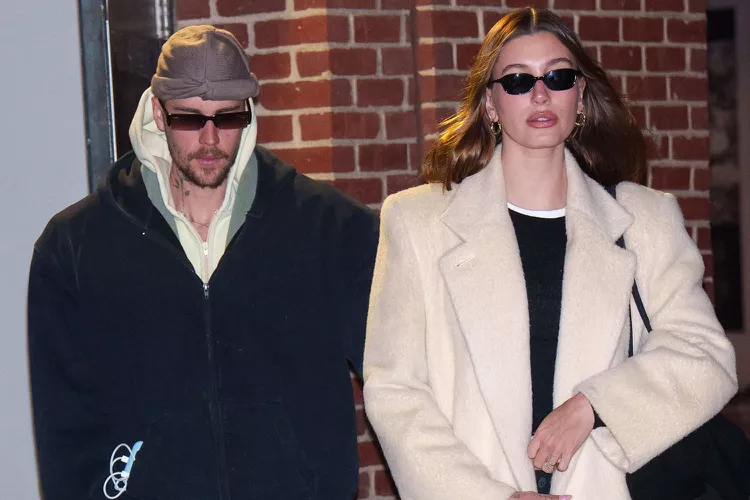
Bieber’s return to the spotlight with his stripped-back SWAG album earned him four nominations and generated serious critical buzz. His lo-fi, alt-pop pivot — a far cry from the polished pop productions of his earlier career — felt like exactly the kind of artistic reinvention the Grammys should celebrate. But the votes didn’t follow. With a career tally of 27 nominations and only two wins total, Bieber’s Grammy drought extended yet again, leaving fans wondering whether the Recording Academy will ever fully embrace his evolution as an artist.
Rosé & Bruno Mars
Their collaboration “APT.” was a genuine global phenomenon — one of the most-streamed and culturally talked-about songs of the year. Nominated in multiple top categories, the duo was expected to make noise at the podium. They didn’t. The shutout added fuel to ongoing conversations about K-pop’s underrepresentation at the Grammys, with many fans pointing out that viral, cross-cultural hits continue to be overlooked in favor of more “traditional” industry favorites.
Clipse
The Virginia sibling duo entered the night with five nominations and a devoted fanbase hungry to see them recognized. They walked away with just one award — Best Rap Performance for “Chains & Whips” — and even that featured Kendrick Lamar. In a year where Kendrick dominated the rap categories for the second consecutive ceremony, Clipse felt like an unfortunate casualty of one artist’s Grammy dominance.

“The Grammys have long skewed old, white, and male — and often seem out of touch with contemporary music. 2026 was no exception.”



The Moments That Sparked Debate
Kendrick Lamar’s Back-to-Back Dominance
Kendrick Lamar took home four trophies in 2026 — including Record of the Year for “Luther” featuring SZA — and in doing so, surpassed Jay-Z as the most-awarded rapper in Grammy history. But the dominance raised eyebrows. GNX was released in 2024, the same eligibility window as his “Not Like Us” era that swept the 2025 ceremony. Critics argued that back-to-back sweeps from the same album cycle felt repetitive, and that artists like Clipse and others in the underground rap scene deserved a wider share of recognition.
Bad Bunny Wins Album of the Year — But Is It Enough?
Bad Bunny’s win for Debí Tirar Más Fotos was historic — the first time a Latin music album took home Album of the Year. Many celebrated it as a long-overdue correction. But others pointed out that the win came only after the Recording Academy expanded its voting panel to include Latin Grammy voters, raising questions about whether the Academy needed a structural fix before it could recognize Latin music at its highest level. A genuine milestone — wrapped in an uncomfortable question about what it took to get there.
Billie Eilish’s “Wildflower” Win Confused Everyone
Eilish and her brother Finneas took home Song of the Year for “Wildflower” — a track from her 2024 album Hit Me Hard and Soft, which had already been nominated at the 2025 Grammys. It qualified for 2026 because it was released as a single in February 2025. Still, the win puzzled many in the audience, as the song felt like yesterday’s news. Eilish used the moment to deliver a political statement, declaring “no one is illegal on stolen land” — which itself ignited a separate firestorm online.
Taylor Swift’s Conspicuous Absence
Swift didn’t attend — and the reasons circulated endlessly. Reports pointed to a private evening with fiancé Travis Kelce, upcoming wedding preparations, and the fact that she had no eligible release during the 2026 window. For an artist who has historically used the Grammys as a reinvention platform, her absence was deliberate and quietly spoke volumes about her shifting relationship with the awards machine.
Africa at the Grammys
Africa’s 2026 Grammy Moment: Historic — But Still Too Small
Despite the wins, a recurring theme in post-ceremony coverage was disappointment. Angélique Kidjo’s cover of “Jerusalema” lost in the Best Global Music Performance category, and both Burna Boy and Youssou N’Dour failed to take home Best Global Music Album. For the second year running, Africa’s key moments at the Grammys took place during the pre-show premiere ceremony — not on the main televised stage.
On the red carpet, Tyla put it simply: “I feel like our music is for the world. Our music is global, our music is pop.” She’s right. And the 2026 Grammys proved that African music is no longer a niche — it’s a driving force. But until the Recording Academy gives those artists equal billing on the main stage, the celebration will always come with a caveat.
The Verdict
So, Did the 2026 Grammys Get It Right?
In some ways, yes. Bad Bunny’s Album of the Year win was a watershed moment for Latin music. Fela Kuti’s Lifetime Achievement Award was decades overdue. Kendrick Lamar’s dominance, whatever your feelings about it, reflected genuine artistic greatness. And the ceremony’s “spread the wealth” approach prevented any single artist from running away with the night.
But in other ways, the 2026 Grammys reinforced the same patterns that have drawn criticism for years. Sabrina Carpenter’s complete shutout felt arbitrary. Justin Bieber’s reinvention went unrecognized. African music, for all its cultural weight, was still largely relegated to the pre-show. And the questions around eligibility windows, voter diversity, and what “deserves” to win continue to simmer beneath the surface.
The Grammys have always been a mirror — not just of the music industry, but of its biases. 2026 showed flashes of progress and stubborn echoes of the past, all in the same four-hour broadcast. The conversation isn’t over. It’s just getting louder.